
Posted in Design Elements, Tips & Tricks

Mastering Color Theory: Elevating Your Interior Design Game

This blog is meant to to give you the tools to transform your own home using color. In the realm of interior design, color is a potent tool that can transform spaces, evoke emotions, and reflect your personal style. Whether you’re revamping your home or embarking on a professional design project, understanding the principles of color theory is essential. In this introductory guide, we’ll explore five key points of color theory and their practical applications in interior design, helping you create harmonious, visually stunning spaces.

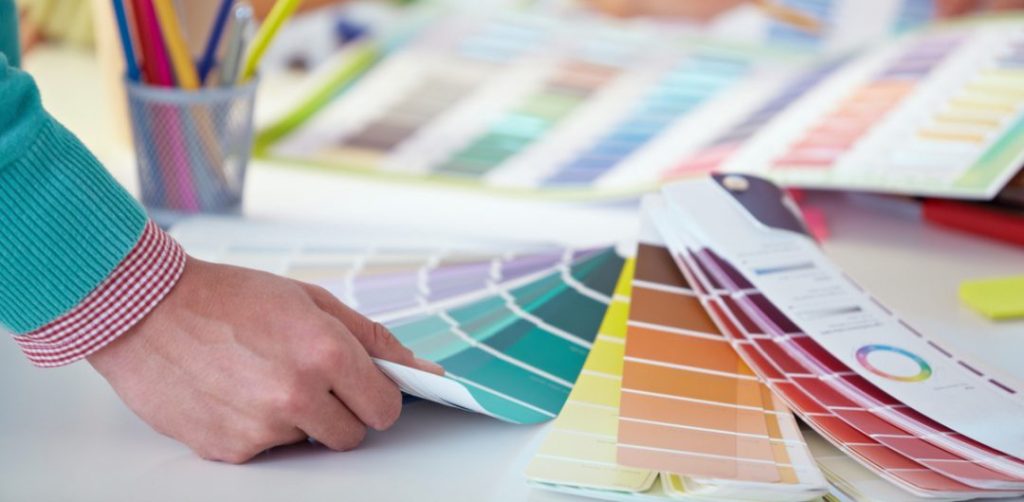
  • The Color Wheel: Mapping Out Your Palette: When designing a room, start by selecting a dominant color from the color wheel—this will serve as the foundation for your palette. For example, if you choose a calming blue as your dominant color, you can then use the color wheel to find complementary hues (like soft neutrals or bold oranges) for accents and contrast. By using the color wheel as your guide, you can ensure a cohesive and visually pleasing color scheme throughout the space.
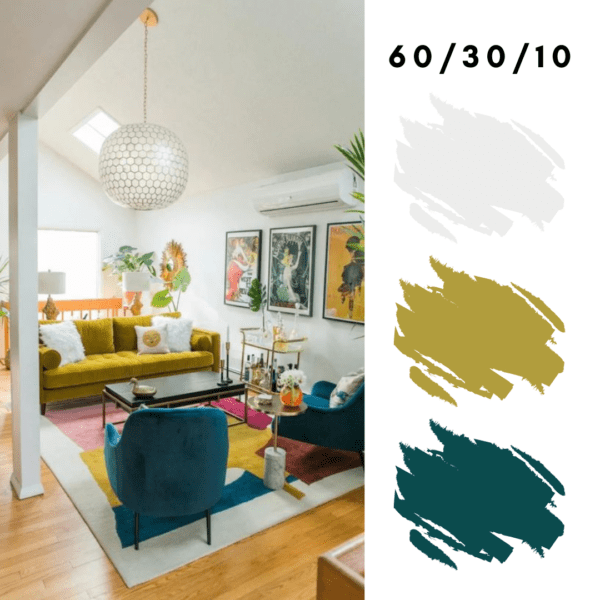
  • Color Harmony: Balancing Act: Achieving color harmony in interior design involves striking the right balance between different colors and tones within a space. One way to achieve this balance is through the 60-30-10 rule: allocate 60% of the room to a dominant color, 30% to a secondary color, and 10% to an accent color. Applying this principle, you can create a sense of visual cohesion while still incorporating pops of color and interest throughout the room.
  • Psychology of Color: Setting the Mood: The psychology of color can significantly influence the mood and atmosphere of a room. For instance, warm colors like reds, oranges, and yellows can create a cozy and inviting ambiance in living spaces, while cool tones like blues and greens promote relaxation and tranquility in bedrooms or bathrooms. By understanding the emotional impact of different colors, you can tailor your color choices to suit the function and desired mood of each room.
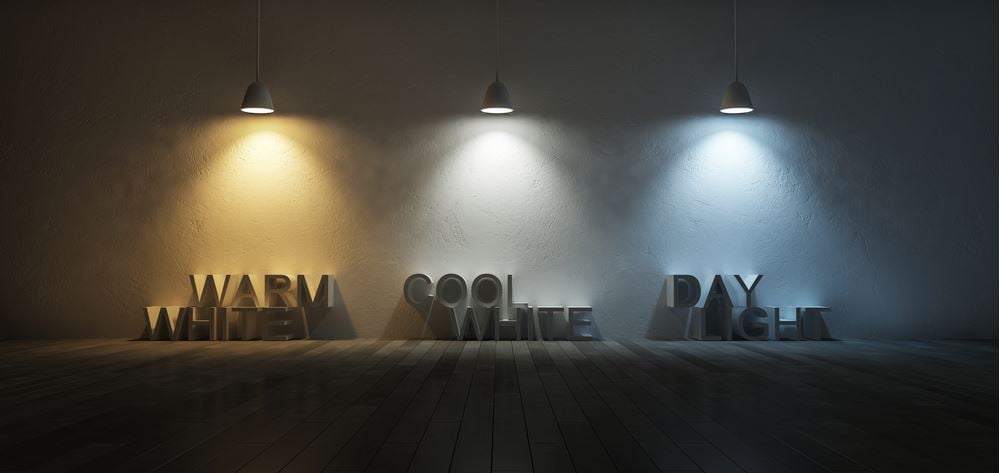
  • Color Temperature: Creating Depth and Dimension: Color temperature—whether a color is warm or cool—can affect the perceived size and atmosphere of a room. In smaller spaces, using lighter, cooler colors can help create the illusion of openness and airiness, while warmer hues can make larger rooms feel more intimate and cozy. Experimenting with color temperature allows you to manipulate the visual dynamics of a space and enhance its overall aesthetic appeal.
  • Color in Practice: Experimenting with Textures and Finishes: In interior design, color isn’t limited to paint swatches and fabric samples—it also extends to textures and finishes. Consider how different materials like wood, metal, and stone interact with color and light in a space. For example, a glossy finish can intensify the richness of a bold color, while a matte finish can soften its impact. By experimenting with textures and finishes, you can add depth and dimension to your design while accentuating the inherent beauty of your chosen color palette.

In the end color theory serves as a guiding principle for creating visually captivating and harmonious interior spaces. By applying the practical insights outlined in this guide—such as using the color wheel to map out your palette, balancing color harmony, leveraging the psychology of color, playing with color temperature, and experimenting with textures and finishes—you can elevate your interior design game and transform any space into a true reflection of your personal style and aesthetic vision. Get started there and me for more!

Posted in Room Designs

Creating a Dream Scape Room

Inspiration for a Dream Scape Room

This week, two things came to mind that inspired me to create a dream scape room. First, the cloudy days made me crave a cozy space to snuggle up in. Second, two of my cousins are pregnant and they are having baby showers, which got me thinking about creating a special area for the little ones.

Creating Calm

To create a calming atmosphere, it is important to choose the right shade of gray. Grays can come in different shades and undertones, but for this particular space, it is recommended to use cool grays with a bluish hue. These shades of gray, when combined with the warm glow of the lighting, will help to create a soothing and relaxing ambiance. The cool grays will bring a sense of tranquility to the room, while the bluish undertones will add a touch of serenity. The overall effect will be a space that evokes a calm and peaceful feel, perfect for unwinding and finding rest.

Cozy Seating for Rocking Baby or for Reading

One of the main features of this dream scape room will be a cozy sitting area. This space will be perfect for snuggling up with a good book or for spending quality time with the baby. I envision a comfortable armchair or a plush sofa, adorned with soft blankets and pillows. I might even suggest a swinging chair, more for an adult nook space. Woven or Boho style baskets or hampers can be close by for baby clothes or reading blankets and pillows.

Build-in Shelves for Books or Baby Things

To make the room both practical and stylish, I plan to include built-in shelves. These shelves will serve a dual purpose – they can be used to display books for the avid reader or to store baby essentials for the new parents. Adding in closed cabinets for things that are not everyday use will keep the clutter at a minimum. The shelves will be designed to blend seamlessly with the overall aesthetic of the room, using cool whites and incorporating soft grays/blue hues into the back panels. Frosted or tinted glass could also enhance the soft look.

Fluffy Textures, Cool Colors and Stars

To create a dreamy atmosphere, I will incorporate fluffy textures throughout the room. Think plush rugs, soft curtains, and cozy blankets. The color palette will consist of whites, cool grays, and hints of blue. These colors will be reminiscent of cloudy skies and will create a serene and calming ambiance. To add a touch of magic, I will also incorporate star motifs, whether through wallpaper, decals, or artwork.

Warm Lighting for a Glow and an Inviting Feel

Lighting plays a crucial role in setting the mood of a room. In this dream scape room, I will use warm lighting to create a soft glow. This will make the space feel inviting and cozy. I will incorporate various light fixtures, such as sconces or pendant lights, to add a touch of elegance to the room. Fairy lights, crystal lights or twinkle lights could be added for magical touches.

Brushed Nickel and Crystal Hardware

To add a touch of sophistication, use silver or crystal hardware for the cabinets. You could even incorporate a design knob. This will elevate the overall design and give the room a luxurious feel. This finish can also be used for artwork, photo frames and additional decorative pieces placed on the shelving. The sleek and modern appearance will complement the rest of the room’s aesthetic.

In conclusion, creating a dream scape room inspired by cloudy days and the anticipation of new arrivals can result in a cozy and magical space. By incorporating cozy seating, built-in shelves, fluffy textures, a serene color palette, warm lighting, and elegant hardware, the room will become a haven for relaxation, reading, and dreaming. You can find these items in my Amazon Shop should any of them be a wonderful addition to your relaxation room. They will be posted later this week.

Stay tuned for more Whimsical Palettes this week!!