What Is Limewash? A Modern, Warm Take on a Timeless Technique
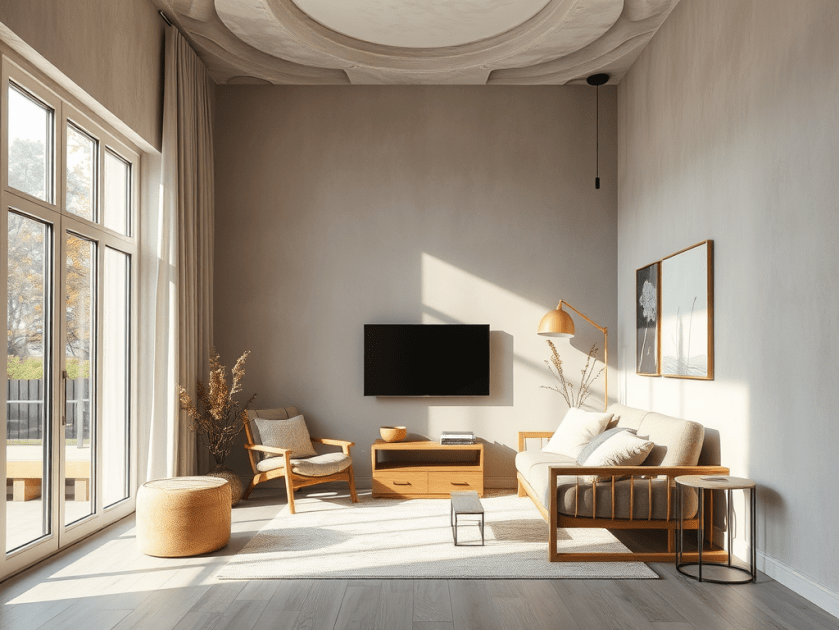
Limewash is one of the oldest paint finishes in the world, used for thousands of years by cultures like the Greeks and Romans. It’s made from natural materials—slaked lime, water, and mineral pigments—so it creates a soft, matte finish that feels warm, calming, and breathable. Unlike regular paint, limewash actually sinks into the surface, giving it that cloudy, layered look everyone loves right now.
How Limewash Works
Here’s the modern homeowner version:
Prep matters. The walls need to be clean and smooth so the limewash can absorb properly.
It’s mixed by hand. Lime powder and water are blended with natural pigments to create your custom color.
It’s applied in thin layers. Each coat dries with soft movement and texture, giving the space a cozy, lived-in feel.
It ages beautifully. Limewash isn’t supposed to look perfect — that’s the charm.
Why Homeowners Are Loving It Right Now
Limewash fits perfectly with today’s warm, modern aesthetic. It adds depth and softness without feeling heavy or overly textured. It also pairs beautifully with:
Warm greys — cozy, elegant, and calm
Soft lavenders — subtle, modern, and surprisingly neutral
If you want walls that feel warm, relaxed, and effortlessly elevated, limewash is an incredible option.
Trending Colors for a Warm Modern Home
For clients searching for a modern-but-soft vibe, I often recommend:
Warm greys with gentle movement
Lavender-gray washes for a serene, elevated feel
Soft clay and mushroom tones for a more organic look
These tones glow beautifully in natural light and instantly make a room feel more intentional.
The Bottom Line
Limewash gives you a finish that looks high-end without feeling fussy — perfect for homeowners who want something modern, warm, and full of character. It’s a timeless technique that works beautifully in today’s design styles.
I got called for a client that just purchased a high rise condo on the north west side of the strip. It is always fun for me to get to go into these higher cleintele locations and see just what is out there waiting for me. This couple just wanted to keep things simple, two maybe three colors. And that is what we did. But it gave me some other thoughts for those that might have their own project like this.
So below are the five tips I came up with if you or someone you know has the opportunity to enjoy the view from above. Hope you will pass them on 🙂
5 Tips for Redecorating a High-Rise Condo
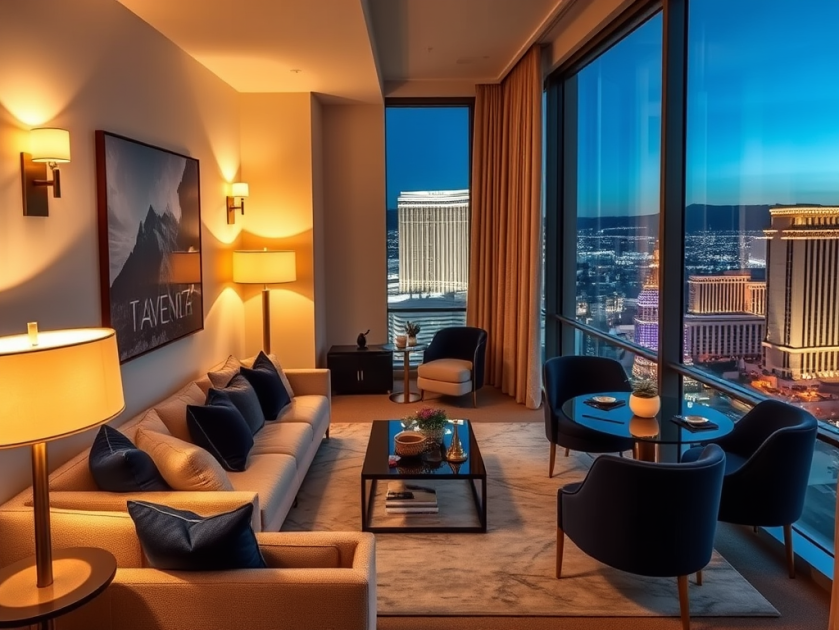
This week’s inspiration came from helping a power couple redesign their new high-rise overlooking the Las Vegas Strip. They wanted to capture the energy of the city without overwhelming the space — elegant by day, electric by night. Here’s how we did it (and how you can, too!):
Tip #1 Neutral walls let the view shine. For their living area, we kept the walls by the windows a warm, soft neutral so the Strip lights became the main feature. 👉 Try this: If you have a stunning city view, go subtle on color near the windows — it naturally frames the skyline like a piece of art.
Tip #2 Lighting is your secret weapon. Their condo had great windows but limited overhead light, so we layered floor lamps, sconces, and pendants to keep things bright and moody when needed. 👉 Try this: Mix lighting sources — ambient, accent, and task — to create dimension and highlight your favorite areas.
Tip #3 Pops of color bring personality. We used deep navy and gold accents to reflect the nighttime city vibe, adding a playful balance to the neutral backdrop. 👉 Try this: Add bold color through art, pillows, or one statement wall — it keeps things lively without feeling cluttered.
Tip #4 Scale matters — less is luxe. Instead of oversized sectionals, we chose sleek seating for four and a compact dining table for two that still feels open and inviting. 👉 Try this: Choose pieces that fit your space comfortably — airy silhouettes and smaller groupings keep the room feeling spacious.
Tip #5 Mirror the magic of your view. We tied in the skyline with metallic artwork that shimmered like the Strip lights at night. 👉 Try this: Select artwork or décor that echoes your surroundings — whether that’s city lights, desert tones, or sky-inspired abstracts.
Let your space tell your story — balance sophistication with the sparkle of the city you love.
2025 is all about warmth and comfort, and the Color of the Year perfectly captures that inviting energy. Whether it’s a soft, earthy tone or a bold, grounding shade, this year’s pick is all about creating a home that feels both stylish and soothing. Not sure how to weave this trend into your space? We’ve got you covered with easy, stylish ways to make 2025’s Color of the Year a seamless part of your home.
Refresh Your Bedroom with the Color of the Year
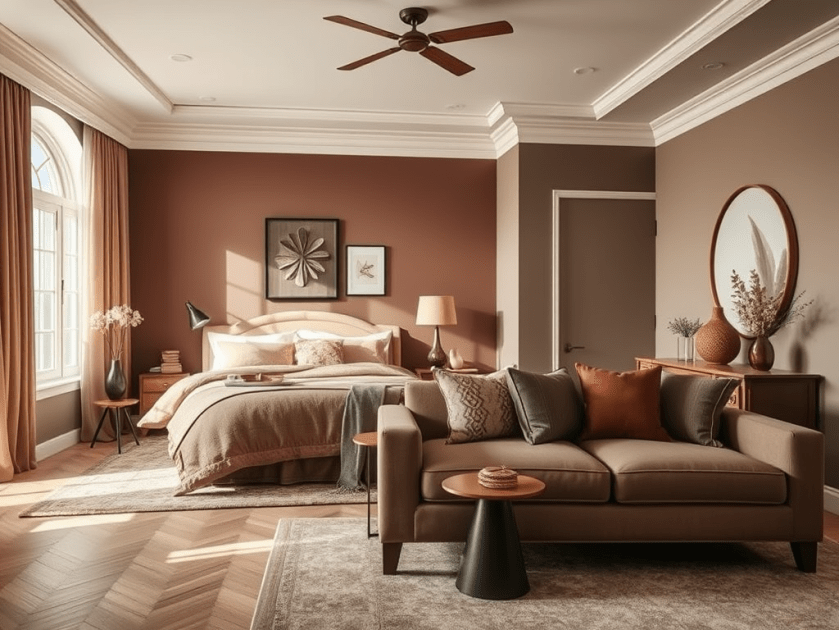
Your bedroom should be a sanctuary, and 2025’s Color of the Year can help set the perfect mood. A soft, warm shade can make your space feel cozy and cocooning, while a deeper, richer hue can add a touch of sophistication.
Walls & Accent Walls: Go all-in with a full-room color drench, or create a striking accent wall behind your bed. If painting the entire room feels like too much, consider a color-blocking technique with a complementary neutral.
Textiles & Decor: Swap out bedding, pillows, and throws for versions in the Color of the Year. A subtle patterned duvet or curtains in this shade can refresh the room without overwhelming it.
Furniture & Accessories: A bedside table or upholstered headboard in the year’s signature hue adds a stylish focal point without the commitment of painting.
Elevate Your Living Room with Accents and Layers
The living room is the heart of the home, making it the perfect place to experiment with the Color of the Year. Whether you love a minimalist look or a bold, layered aesthetic, this shade can work beautifully in different ways.
Statement Furniture: A sofa or armchair in the Color of the Year can instantly refresh your space. If a new piece isn’t in the budget, consider slipcovers or reupholstering an existing piece.
Wall Treatments: Paint an accent wall, add color through framed artwork, or even opt for wallpaper in a subtle version of the hue. Textured finishes like grasscloth or linen wallpapers can add even more dimension.
Decor & Accessories: Think vases, rugs, and coffee table books in this shade. Layering in small doses keeps the look cohesive without feeling overdone.
Incorporate the Color of the Year in Your Kitchen & Dining Area
Even the kitchen can benefit from a dose of the Color of the Year, especially in ways that feel fresh and inviting.
Cabinetry & Backsplashes: For those ready to take the plunge, painting lower cabinets or a kitchen island in the Color of the Year adds instant charm. If you prefer a low-commitment approach, a tile backsplash or open shelving with colorful dishware works just as well.
Dining Chairs & Table Decor: Bring in the shade through upholstered chairs, table runners, or even placemats and dishware. These small changes make a big impact without requiring a full remodel.
Lighting & Fixtures: Pendant lights or small appliances in the Color of the Year can add just the right pop of color while keeping things functional.
Make a Statement with a Bold Front Door or Entryway
First impressions matter, and using the Color of the Year at your entryway sets the tone for the rest of your home.
Front Door Refresh: A fresh coat of paint on your front door in this trendy hue adds instant curb appeal and warmth.
Entryway Walls & Decor: A console table, mirror frame, or even a bold patterned wallpaper in the Color of the Year can create a welcoming focal point.
Plants & Accessories: Complement the shade with natural elements like wooden benches, woven baskets, and greenery to balance out the look.
Whole-Home Harmony: Pairing the Color of the Year with Other Tones
To create a cohesive look, mix 2025’s Color of the Year with other trending shades. Warm neutrals like taupe and soft terracotta create a cozy and seamless flow, while cool blues and greens add a refreshing contrast.
Layering Warm & Cool Tones: Pairing the Color of the Year with soft blues or greens keeps your home feeling dynamic yet harmonious.
Metallic & Natural Accents: Brass, copper, and natural wood tones enhance the warmth of the hue, making it feel rich and inviting.
Textures & Patterns: Play with different textures—woven fabrics, textured wallpapers, and natural materials like stone and clay can elevate the space while keeping it grounded.
Final Thoughts: Making 2025’s Color of the Year Work for You
Whether you go all in with color-drenched walls or opt for subtle accents, 2025’s Color of the Year offers endless possibilities to refresh your space. The key is to integrate it in ways that reflect your personal style, creating a home that feels both stylish and uniquely yours. So grab a paintbrush, swap out some decor, and let this year’s must-have hue bring new life to your home!
When it comes to cabinetry, wood and stained finishes are like the classic hits of interior design—always in style and forever chic. Imagine the natural beauty of wood grains and the rich, deep hues of stains transforming your kitchen or bathroom into a cozy, inviting oasis. Whether you’re vibing with the light charm of oak or the luxurious depth of mahogany, wood and stained cabinetry are design staples that’ll never go out of fashion.
Classic Whites and Creams
Whites and creams are the ultimate design superheroes—simple, elegant, and versatile. These colors offer a clean canvas, letting other elements of your room steal the spotlight. Perfect for lovers of timeless design, white and cream cabinetry can make any space feel like a breath of fresh air. They’re especially great for smaller spaces, making them look larger and more open. It’s like giving your room a chic makeover that never gets old!
Modern Dark Woods and Bold Colors
For those who crave a sleek, sophisticated vibe, dark woods and bold colors are your go-to. Think deep grays, rich browns, and inky blacks that add a touch of modern elegance to any room. Dark cabinetry makes a powerful statement and pairs beautifully with lighter countertops or backsplashes. It’s all about creating a visually striking contrast that’s both balanced and stylish.
Emerging Trends: Soft Hues
Say hello to the latest trend—soft hues! Gentle blues, serene greens, and dreamy lavenders are making waves in cabinetry design. These colors bring a fresh, calming energy to your space. Don’t shy away from these soothing shades; they can add a unique and tranquil touch to your home. Soft hues are perfect for creating a serene and welcoming atmosphere that feels like a gentle hug.
Bright and Bold: Making a Statement
Ready to make a splash? Bright colors are fantastic for adding personality and flair to playrooms, functional spaces, or bold modern designs. These vibrant hues reflect a unique taste and make a memorable statement. Just be sure to balance them with lighter elements—like glass doors or white accents—to keep the space from feeling too overwhelming. If you’ve got a favorite color, let it shine through your cabinetry design!
Endless Color Options
In the world of cabinetry, the color possibilities are as vast as your imagination. Whether you’re drawn to the timeless charm of white farmhouse styles or the eye-catching impact of a vibrant hue, there’s a perfect cabinetry color out there for everyone. The secret? Choose a color that resonates with your personality and complements your space’s overall vibe. It’s your home—make it as colorful and fabulous as you are!
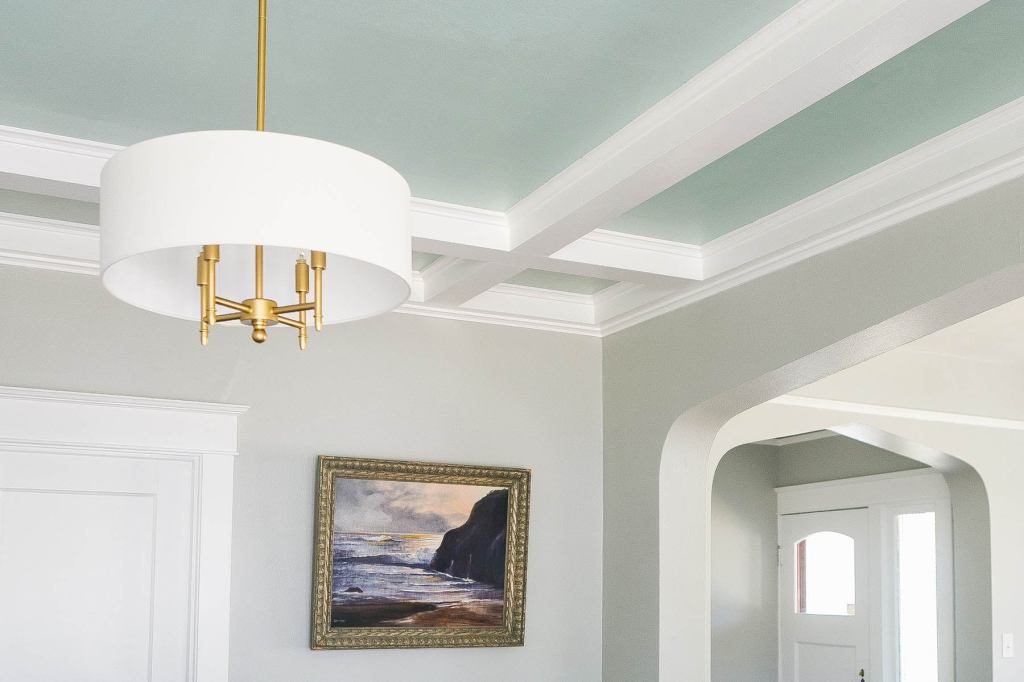
Colored ceilings play a pivotal role in shaping the mood and perception of space within a room. A well-chosen ceiling color can dramatically alter the ambiance, adding a unique dimension to the overall design. Darker ceiling colors, such as deep blues or rich grays, evoke a sense of coziness and intimacy. These colors can create the illusion of a lower ceiling, making a room feel more enclosed and snug. This effect is particularly beneficial in larger living spaces or bedrooms where a more intimate setting is desired.
Conversely, lighter ceiling colors, including soft whites or pastel shades, contribute to a feeling of expansiveness and airiness. These hues can visually lift the ceiling height, opening up the space and making it appear larger and more inviting. This approach is especially effective in smaller rooms or areas that lack natural light, such as kitchens or bathrooms. By choosing light, reflective colors, the ceiling can help bounce light around the room, enhancing brightness and a sense of space.
The selection of ceiling color should be thoughtfully considered in relation to the room’s function and the desired ambiance. For instance, in a living room, a warm, inviting color on the ceiling can create a welcoming atmosphere, while a light, airy color might be more suitable for a kitchen where cleanliness and openness are paramount. Bedrooms, often a sanctuary for rest and relaxation, benefit from calming, subdued ceiling colors that promote tranquility.
Different color choices can transform the atmosphere of various types of rooms. Experimenting with ceiling colors allows homeowners and designers to craft spaces that not only meet functional needs but also enhance aesthetic appeal. Whether aiming for a cozy retreat or an open, airy environment, the ceiling’s color can be a powerful tool in achieving the desired ambiance. This nuanced approach to color application underscores the importance of viewing the ceiling as a critical element in interior design.
Coordinating Ceiling Colors with Furniture and Decor
Choosing the right ceiling color to complement or coordinate with your furniture and decor is essential for creating a harmonious and cohesive design. The ceiling, often referred to as the “fifth wall,” plays a pivotal role in the overall aesthetic of a room. By carefully selecting a ceiling color that either matches or accentuates the existing elements, you can significantly enhance your space.
One effective approach is to use color theory as a guide. Understanding the relationships between colors on the color wheel can help you make informed decisions. For instance, complementary colors—those directly opposite each other on the color wheel—can create a dynamic and balanced look. If your room features a lot of blue tones, a soft orange ceiling might provide a beautiful contrast while maintaining harmony. Conversely, analogous colors, which are next to each other on the color wheel, offer a more subtle and cohesive look. Pairing a green ceiling with blue and teal decor can create a serene and unified space.
Contrast is another critical factor to consider. A bold ceiling color can serve as an accent that ties together various decor items or furniture pieces. For example, a deep navy ceiling in a room with white walls and dark wood furniture can create a striking focal point, adding depth and sophistication. On the other hand, a more neutral ceiling, such as a soft gray or beige, can provide a subtle backdrop that enhances the overall aesthetic without overpowering the space. This approach works particularly well in rooms with vibrant or patterned decor, as it allows the other elements to shine.
Creating visual balance is key to a well-coordinated space. If you opt for a bold ceiling color, it is crucial to balance it with other elements in the room. This can be achieved by incorporating accessories, textiles, or artwork that echo the ceiling color. For instance, if you choose a rich green ceiling, adding green throw pillows, rugs, or wall art can help create a cohesive look. Conversely, a neutral ceiling gives you more flexibility to experiment with colorful decor items and furniture without overwhelming the room.
In summary, coordinating ceiling colors with furniture and decor involves a careful balance of color theory, contrast, and visual balance. By considering these factors, you can create a space that is both visually appealing and harmonious, transforming your room from above.
Beyond Paint: Creative Ceiling Treatments
When considering how to transform your space from above, the use of color on ceilings extends far beyond traditional paint. Creative ceiling treatments can redefine a room, adding texture, dimension, and a unique focal point. One such innovative approach is the use of patterned ceiling tiles. These tiles come in a myriad of designs, from intricate floral motifs to geometric patterns, offering a sophisticated touch that paint alone cannot achieve. Patterned ceiling tiles can introduce a sense of elegance and visual interest, making them an excellent choice for spaces that aim to impress.
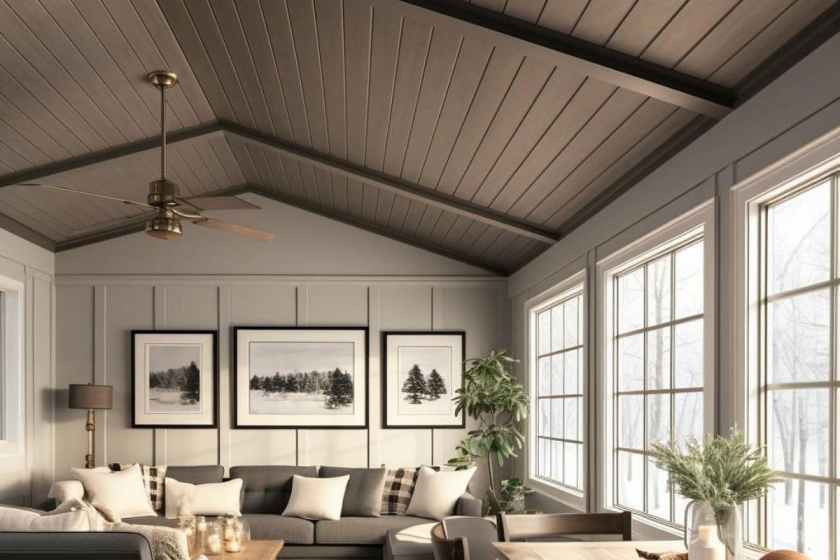
Another compelling option is shiplap, which brings a rustic charm and depth to any room. This wooden board treatment, commonly used in farmhouse and coastal designs, adds warmth and character through its natural texture. Shiplap can be painted in a variety of colors to match your decor, or left in its natural state for a more organic feel. The horizontal lines of shiplap also draw the eye across the ceiling, enhancing the perception of space and making rooms feel larger and more open.
Incorporating color as a backdrop for stunning lighting fixtures or exposed wooden beams can further elevate your ceiling design. Colorful ceilings can make chandeliers, pendant lights, or even recessed lighting pop, turning these functional elements into striking features. Exposed wooden beams, whether they are structural or purely decorative, can benefit from a contrasting ceiling color that highlights their natural beauty and craftsmanship.
These creative treatments showcase the potential of ceilings as more than just a blank canvas. By exploring options like patterned ceiling tiles, shiplap, and strategic use of color with lighting and beams, you can transform your ceiling into an integral part of your interior design. These ideas not only enhance the aesthetic appeal of a space but also inspire a sense of creativity, encouraging you to think beyond the conventional use of paint.
Creating a Welcoming Atmosphere in Doctor’s Offices
Visiting a doctor’s office can often be a daunting experience for many. The sterile and cold environment of these spaces can contribute to feelings of anxiety and discomfort. However, it doesn’t have to be this way. By incorporating thoughtful design elements, such as color, artwork, and comfortable seating, it’s possible to transform these spaces into warm and inviting environments that promote a sense of calm and well-being.
The Impact of Color
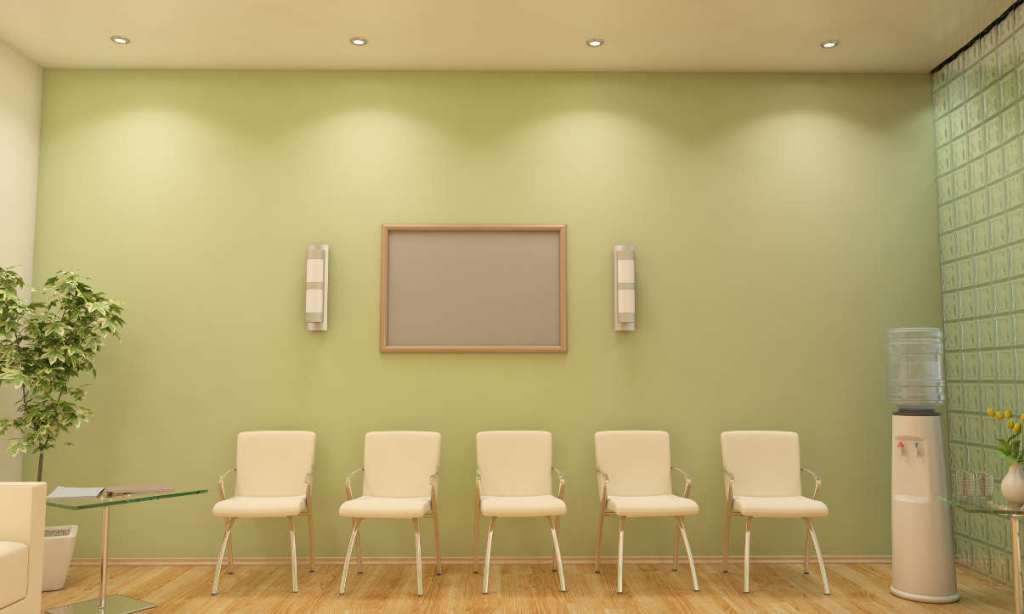
Color has a profound effect on our emotions and can significantly influence our mood. In the context of a doctor’s office, opting for calming and soft cheerful colors can help alleviate feelings of stress and apprehension in patients. Studies have shown that the use of soothing colors in healthcare environments can contribute to improved patient outcomes and overall well-being. Soft tones such as pale blues, gentle greens, and warm neutrals can create a sense of tranquility and comfort, making the space more welcoming for patients.
Artwork and Decor
Introducing artwork with a hopeful and uplifting theme can have a positive impact on the atmosphere of a doctor’s office. Inspirational pieces that convey messages of healing, resilience, and positivity can serve as a source of comfort and encouragement for patients during their time in the waiting room. Additionally, the inclusion of artificial plants can bring a touch of nature indoors, adding a refreshing and calming element to the space.
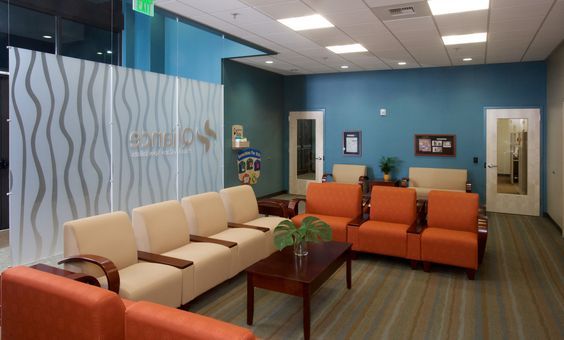
Furthermore, incorporating a statement color, such as a feature wall in a warm and inviting hue, can instantly transform the ambiance of the waiting room. This bold choice can inject personality and vibrancy into the space, setting a welcoming tone for patients as soon as they enter.
Finally, the seating in the waiting room plays a crucial role in ensuring the comfort of patients. Opting for chairs and sofas that are not only aesthetically pleasing but also ergonomically designed can make a significant difference in the overall experience of individuals waiting to see the doctor. Comfortable seating arrangements can help reduce feelings of unease and create a more relaxed environment.
In conclusion, the design of a doctor’s office plays a pivotal role in shaping the experiences of patients. By incorporating elements such as calming colors, uplifting artwork, a statement color, artificial plants, and comfortable seating, it’s possible to create a warm and inviting atmosphere that promotes a sense of ease and well-being for all those who walk through the doors.
My inspirations come from my clients. My client yesterday wanted her home out here to feel more like here home on the east coast. How about you? Are you dreaming of a coastal retreat right in the comfort of your own home? With a few simple design choices, you can transform any space into a serene oasis that captures the essence of beach living. In this blog post, we will explore some tips and tricks for creating a coastal vibe that will transport you to the seaside, even if you’re miles away.
Maintaining an Airy Feel
The key to achieving a coastal vibe is to create an airy and light-filled space. Start by using a very light shade base for your walls, which will give the room a fresh and clean look. To add a touch of the ocean, this shade should incorporate hints of blue or green. You can expand on this through accessories such as throw pillows, curtains, or artwork. By using these hushed tones, you will create a calming and soothing atmosphere that mimics the colors of the sea.
Adding Accent Walls
To further enhance the coastal feel, consider adding accent walls in slightly deeper blues or greens, keeping them in soft muted tones. This can be achieved by using paint, wallpaper (in solid colors or patterns), or even textured wall panels. The accent wall will serve as a focal point in the room and will instantly transport you to a beachside paradise. Choose colors that complement the rest of the space and create a cohesive look.
Bringing in Beach Textures
To truly capture the essence of coastal living, incorporate beach textures into your home. One way to achieve this is by opting for worn wood vinyl flooring, or distressed wooden pieces. This type of flooring mimics the look of weathered wood found on the beach and adds a rustic touch to the space. Pair it with cream or sand-colored cabinets and shelving to create a cohesive and beach-inspired look.
Sea Glass and Shell Accents
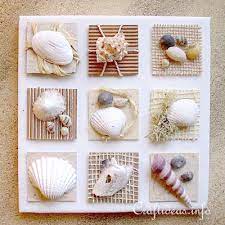
No coastal-inspired space is complete without sea glass and shell accents. Incorporate these elements into your decor by using tiles with sea glass or shell patterns in your bathroom or kitchen. You can also display sea glass and shells in clear jars or bowls as decorative accents throughout your home. These small touches will add a touch of the beach to your space and create a sense of tranquility.
Creating a coastal vibe in your home is all about capturing the essence of the beach and bringing it indoors. By maintaining an airy feel, adding accent walls in muted tones, bringing in beach textures, and incorporating sea glass and shell accents, you can transform any space into a coastal retreat. So go ahead, embrace the coastal lifestyle and create your own little piece of paradise. And when you can, get to the actual beach and enjoy the sand under your toes!!
Many modern homes today feature smooth walls and polished granite surfaces, creating a sleek and polished look. While this aesthetic can be visually appealing, it can also feel a bit one-dimensional and lacking in character. If you’re looking to add some depth and visual interest to your living space, consider incorporating different textures into your home decor.
1. Incorporating Slate and Rock
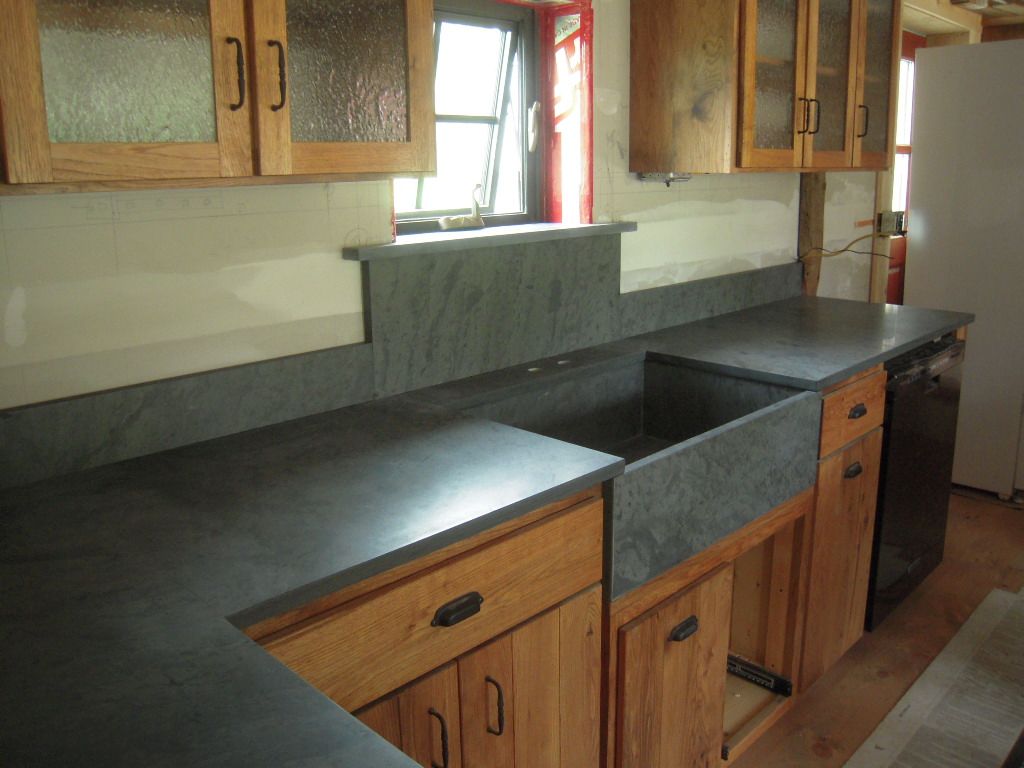
One way to introduce texture into your home is by using slate or rock accents. For example, you can add a slate or rock facade around your indoor fireplace to create a focal point in your living room. The natural variations in color and texture will instantly add visual interest and make your fireplace stand out. In the bathroom, consider using river rock tiles for your shower floor or as a border to add a touch of nature and create a spa-like atmosphere. In the kitchen, slate countertops can provide a pop of color and an edgy, contemporary look. Opt for honed finished granite with a weathered edge to add a touch of rustic charm to your kitchen island or bar area.
2. Adding Texture to Floors
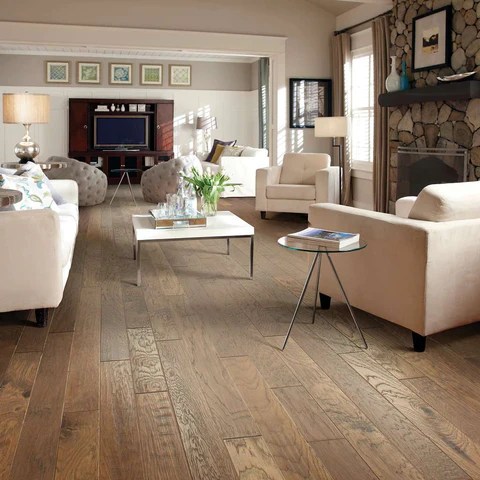
If you’re tired of the smooth and uniform look of traditional flooring materials, consider opting for rustic or weathered wood or tile. These materials add warmth, character, and texture to your floors. Weathered wood flooring, for example, features a distressed look that adds a sense of history and charm to any room. Rustic tile with a textured finish can create a visually interesting pattern and add depth to your floors. Whether you choose wood or tile, textured flooring can make a significant impact on the overall look and feel of your home.
3. Embracing Natural Elements
Another way to bring texture into your home is by incorporating natural elements. Consider using woven or textured fabrics for your curtains, throw pillows, and upholstery to add depth and visual interest to your living room or bedroom. You can also bring in natural materials such as jute or sisal rugs to add texture to your floors. Additionally, consider incorporating plants and greenery into your home decor. Not only do plants add a touch of nature, but their varied shapes and textures can also bring a refreshing and organic feel to any space.
In conclusion, adding texture to your home is a great way to bring the outdoors in and create a more visually interesting and dynamic living space. Whether you choose to incorporate slate and rock accents, textured flooring, or natural elements, these design choices will add depth and character to your home decor. So, don’t be afraid to experiment and have fun with different textures to create a unique and inviting atmosphere in your home.
Creating a Steampunk Library: Embracing Rich Colors and Industrial Finishes
Steampunk, a subgenre of science fiction and fantasy, is known for its unique blend of Victorian aesthetics and steam-powered technology. One of the most intriguing aspects of steampunk design is the creation of themed spaces, such as steampunk libraries. In this article, we will explore the key elements and design choices that can help you create a captivating steampunk library.
Embracing Rich Colors and Wood and Metal Finishes
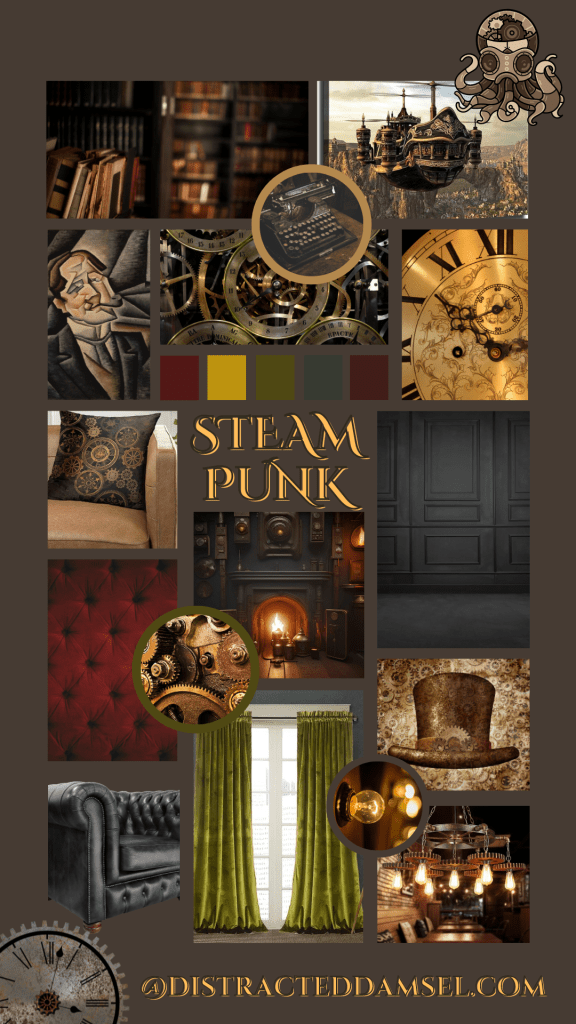
When it comes to the color palette of a steampunk library, rich and dark tones are the way to go. Consider using dark browns, blues, and greys for the walls. Dark paneling or paint can be applied from floor to ceiling to create a sense of depth and richness. These colors provide a perfect backdrop for the steampunk aesthetics.
Wood and metal finishes are essential in steampunk design. Incorporate these materials into the library by using furniture and fixtures with these finishes. For example, consider adding bookshelves made of dark wood with metal accents or a desk with a brass or bronze finish. These elements will help create an authentic steampunk atmosphere.
Industrial Lighting Fixtures and Elegant Furniture
Lighting fixtures play a crucial role in steampunk design. Opt for industrial-style lighting fixtures made of bronze or black metals. These fixtures can be adorned with golden accents to add a touch of elegance. Hang pendant lights or install wall sconces to illuminate the library and enhance the overall steampunk aesthetic.
When it comes to furniture, choose pieces that are both rich and elegant. Steampunk libraries often feature heavier furniture with velvet upholstery. Consider selecting furniture with tufted designs and metal buttons for added sophistication. Rich leathers can also be used to create a luxurious and timeless feel.
Decorative Pieces: Clocks, Gears, and Engines
Decorative pieces are essential in bringing a steampunk library to life. To tie in with the color scheme, incorporate gold, green, and deep purple accents throughout the space. Clocks, gears, and engines are iconic steampunk elements that can be used as decorative pieces. Display vintage clocks on shelves, hang gears on the walls, or even repurpose old machinery as unique focal points.
Additionally, consider incorporating other steampunk-inspired accessories such as magnifying glasses, compasses, or antique globes. These small details will add depth and character to your steampunk library.
Fireplaces as Center Focal Points
A fireplace can become a central focal point in a steampunk library. Choose a fireplace with a heavy and ornate design to match the overall aesthetic. Consider adding decorative elements such as metal candelabras or vintage fireplace tools to enhance the steampunk theme. The fireplace can serve as a statement piece, creating a cozy and inviting atmosphere in your library.
In conclusion, creating a steampunk library involves carefully selecting colors, materials, and decorative elements to achieve a unique and captivating space. Embrace rich colors, wood and metal finishes, industrial lighting fixtures, and elegant furniture. Incorporate decorative pieces that tie in with the steampunk theme, such as clocks, gears, and engines. Finally, consider making the fireplace a center focal point to add warmth and character to your steampunk library.
From Beige to White: Adding Warmth and Style to Your Home
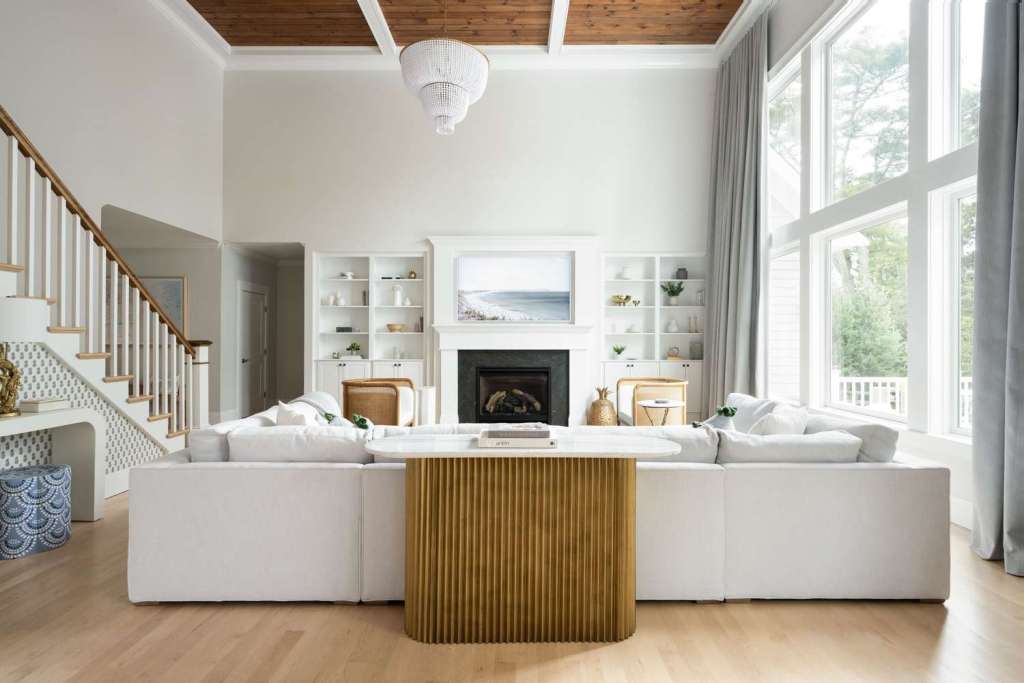
Are you tired of the dull and lifeless beige walls in your home? Do you want to create a fresh and inviting space without making it feel sterile? Look no further than the timeless elegance of white walls. Whether you prefer warm whites or cool whites, this versatile color can transform your home into a modern and refreshing sanctuary.
Choosing the Right Shade of White
When it comes to white walls, there are countless shades to choose from. Warm whites, with their undertones of cream or beige, can add a cozy and inviting atmosphere to any room. On the other hand, cool whites, with hints of blue or gray, can create a modern and clean aesthetic. The key is to find the perfect balance that suits your personal style and complements your existing decor.
Using White as a Canvas
One of the greatest advantages of white walls is the endless possibilities they offer for adding accents and personal touches. By using white as a base, you can easily incorporate pops of color, patterns, and textures to create a unique and personalized space. Whether you prefer a modern farmhouse look or an airy boho style, white walls provide the perfect backdrop for your creativity to shine.
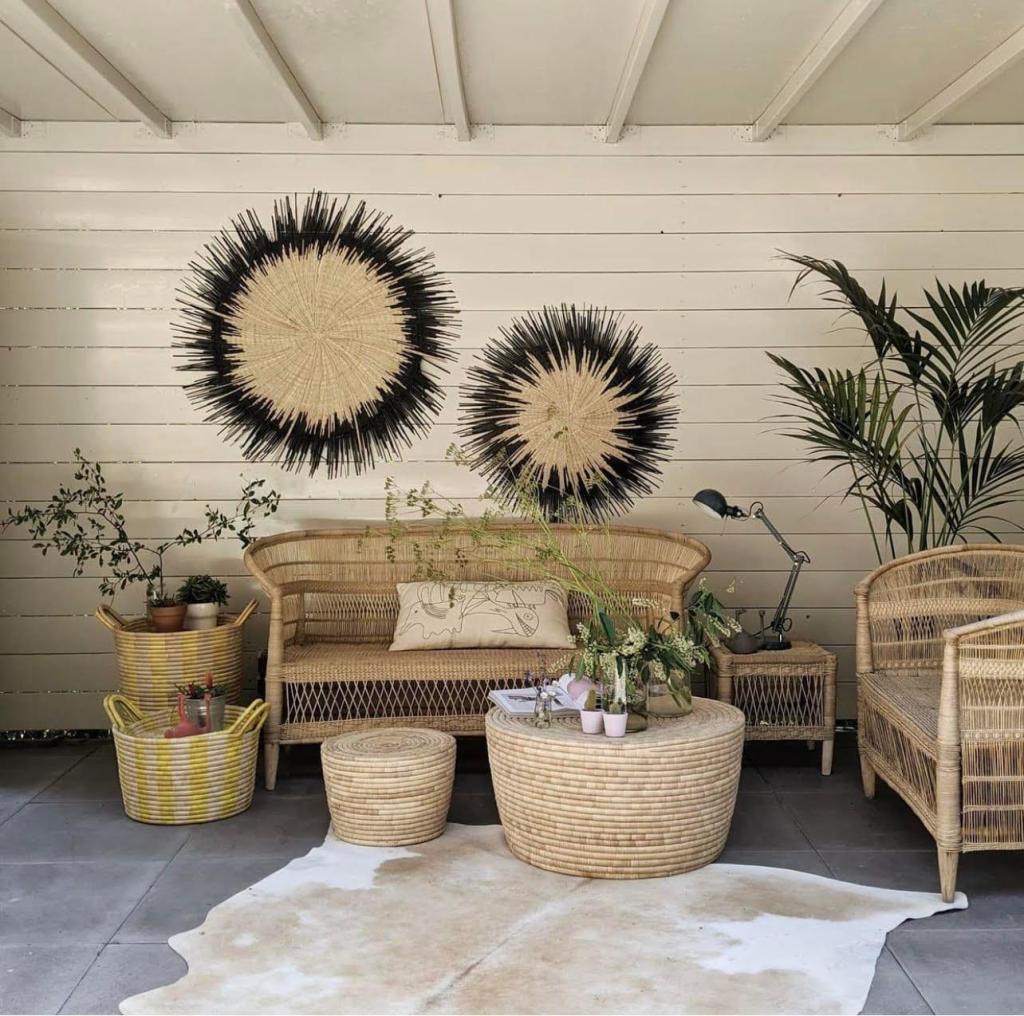
For a modern farmhouse vibe, consider pairing your white walls with rustic wooden furniture, vintage accessories, and cozy textiles. This combination creates a warm and inviting atmosphere that is both timeless and on-trend. On the other hand, if you’re drawn to the airy boho style, combine your white walls with natural materials, such as rattan or jute, and add pops of greenery for a fresh and organic feel.
Popular White Paint Brands
When it comes to choosing the perfect shade of white, there are a few popular paint brands that are known for their quality and extensive range of white hues. Dunn Edwards and Sherwin Williams are two such brands that offer a wide selection of whites to suit every taste and style. From warm off-whites to cool crisp whites, these brands have you covered.
Remember, when selecting a white paint, it’s essential to test it in different lighting conditions and against your existing decor. The right shade of white can make all the difference in creating the desired atmosphere and ambiance in your home.
In conclusion, transitioning from beige to white walls can breathe new life into your home. Whether you opt for warm or cool whites, white walls provide a blank canvas for your creativity to flourish. With the right accents and personal touches, you can transform your space into a modern and inviting sanctuary. So, why wait? Embrace the beauty of white and embark on a journey of style and warmth.






















 The Distracted Damsel