Posted in Design Elements, Lifestyle, Tips & Tricks

One Project at a Time..

The Power of Breaking It Down

Let’s be honest—transforming a home can feel a lot. Between Pinterest boards, paint swatches, and all the “what ifs,” it’s easy to end up overwhelmed before you even begin.

But here’s the truth: you don’t have to do it all at once.

In fact, taking it one step at a time is not only okay—it’s smart. Whether you’re working with a full-house refresh or just trying to make a few rooms feel more “you,” breaking things down into manageable steps can save your sanity (and your budget).


Start with What Matters Most

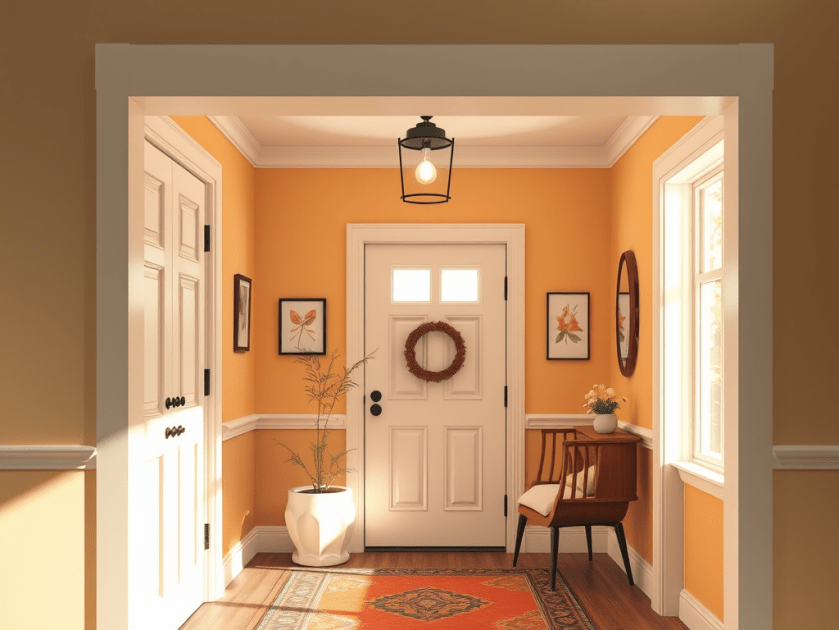
Instead of tackling the entire house in one go, focus on the areas that will make the biggest difference right away—think the entryway, living room, or kitchen. These are the spaces guests see first, but more importantly, they’re the ones you walk through every single day.

A fresh coat of paint in the entry or some updated lighting in the kitchen can make your whole home feel different—without touching every single room.


Room by Room, Floor by Floor

There’s no rule that says everything has to be done at once or even all in the same week (or month, or year!).

You might choose to move floor by floor—starting downstairs where the most traffic happens and working your way up when the time, budget, or energy allows. Even if you’re planning to use the same paint color throughout the house, it’s okay to spread it out.

Or maybe it makes more sense to go room by room. Especially if you’re still figuring out how each space will be used. Is that spare room going to be a guest room? A home office? A playroom? Taking your time gives you room to decide.


Make It Personal (and Functional)

The best transformations aren’t just pretty—they work for the people who live there. Before you commit to any big changes, think about the purpose of each room.

Who uses the space? What do you need it to do? What vibe are you going for?

Taking a beat to figure those things out will help you make choices you won’t regret later. Rushing into a design without a clear vision is often what leads to “I wish I had done it differently.”


Progress Is Still Progress

Remember: Rome wasn’t built in a day.

There’s absolutely no shame in doing things slowly. In fact, it often leads to better, more thoughtful results. Taking your time means you can make decisions with confidence, spread out expenses, and enjoy each win as it comes.

So if your home doesn’t feel “done” yet, that’s okay. It’s a work in progress—just like all the best things are.


Want help figuring out where to start? Let’s break it down together.
Sometimes all you need is a plan—and a little color guidance. 🎨


Posted in Design Elements, Tips & Tricks

Mastering Color Theory: Elevating Your Interior Design Game

This blog is meant to to give you the tools to transform your own home using color. In the realm of interior design, color is a potent tool that can transform spaces, evoke emotions, and reflect your personal style. Whether you’re revamping your home or embarking on a professional design project, understanding the principles of color theory is essential. In this introductory guide, we’ll explore five key points of color theory and their practical applications in interior design, helping you create harmonious, visually stunning spaces.

  • The Color Wheel: Mapping Out Your Palette: When designing a room, start by selecting a dominant color from the color wheel—this will serve as the foundation for your palette. For example, if you choose a calming blue as your dominant color, you can then use the color wheel to find complementary hues (like soft neutrals or bold oranges) for accents and contrast. By using the color wheel as your guide, you can ensure a cohesive and visually pleasing color scheme throughout the space.
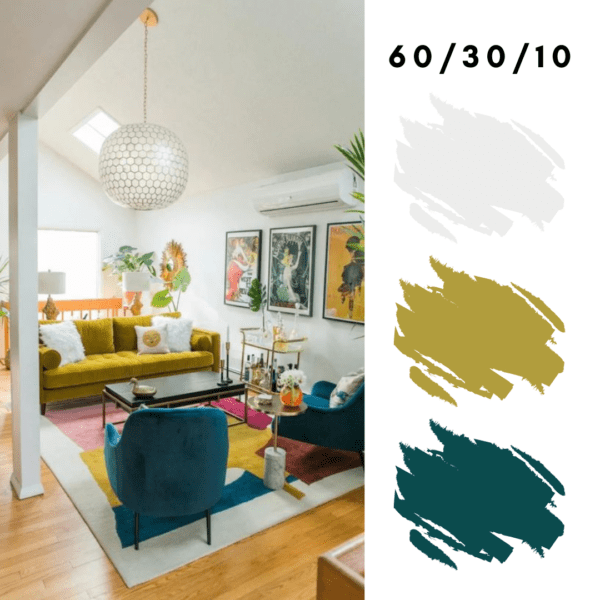
  • Color Harmony: Balancing Act: Achieving color harmony in interior design involves striking the right balance between different colors and tones within a space. One way to achieve this balance is through the 60-30-10 rule: allocate 60% of the room to a dominant color, 30% to a secondary color, and 10% to an accent color. Applying this principle, you can create a sense of visual cohesion while still incorporating pops of color and interest throughout the room.
  • Psychology of Color: Setting the Mood: The psychology of color can significantly influence the mood and atmosphere of a room. For instance, warm colors like reds, oranges, and yellows can create a cozy and inviting ambiance in living spaces, while cool tones like blues and greens promote relaxation and tranquility in bedrooms or bathrooms. By understanding the emotional impact of different colors, you can tailor your color choices to suit the function and desired mood of each room.
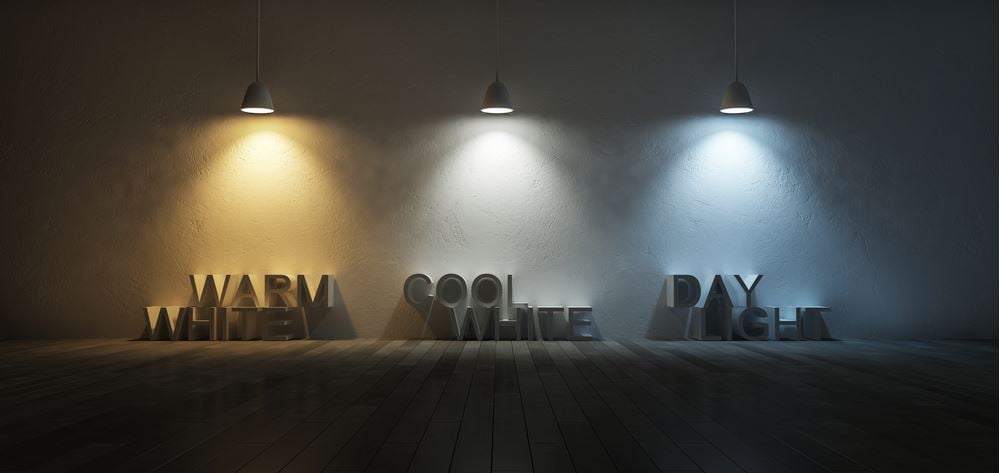
  • Color Temperature: Creating Depth and Dimension: Color temperature—whether a color is warm or cool—can affect the perceived size and atmosphere of a room. In smaller spaces, using lighter, cooler colors can help create the illusion of openness and airiness, while warmer hues can make larger rooms feel more intimate and cozy. Experimenting with color temperature allows you to manipulate the visual dynamics of a space and enhance its overall aesthetic appeal.
  • Color in Practice: Experimenting with Textures and Finishes: In interior design, color isn’t limited to paint swatches and fabric samples—it also extends to textures and finishes. Consider how different materials like wood, metal, and stone interact with color and light in a space. For example, a glossy finish can intensify the richness of a bold color, while a matte finish can soften its impact. By experimenting with textures and finishes, you can add depth and dimension to your design while accentuating the inherent beauty of your chosen color palette.

In the end color theory serves as a guiding principle for creating visually captivating and harmonious interior spaces. By applying the practical insights outlined in this guide—such as using the color wheel to map out your palette, balancing color harmony, leveraging the psychology of color, playing with color temperature, and experimenting with textures and finishes—you can elevate your interior design game and transform any space into a true reflection of your personal style and aesthetic vision. Get started there and me for more!

Posted in Tips & Tricks

Transform Your Bedroom with Simple Changes

Refresh Your Bedroom with Simple Changes

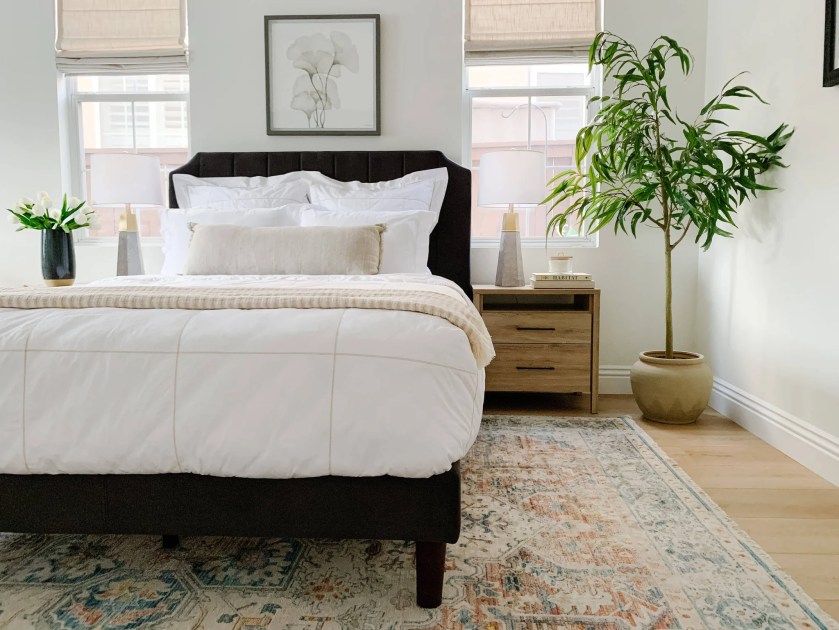
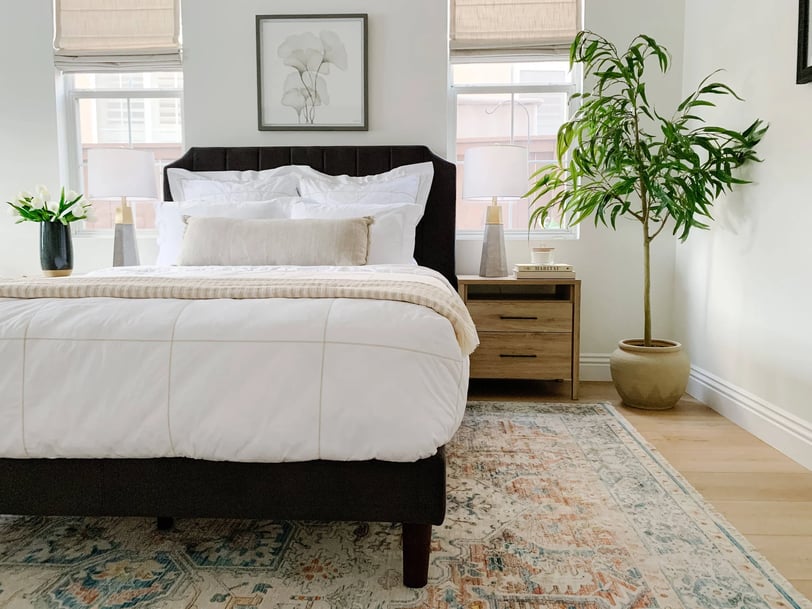
Is your bedroom feeling a bit dull and uninspiring? It’s time for a refresh! You don’t need to spend a fortune or completely overhaul the space to breathe new life into your bedroom. With a few simple changes, you can create a cozy and inviting atmosphere that you’ll love spending time in. Here are some easy ideas to get you started:

Change Up Your Bed

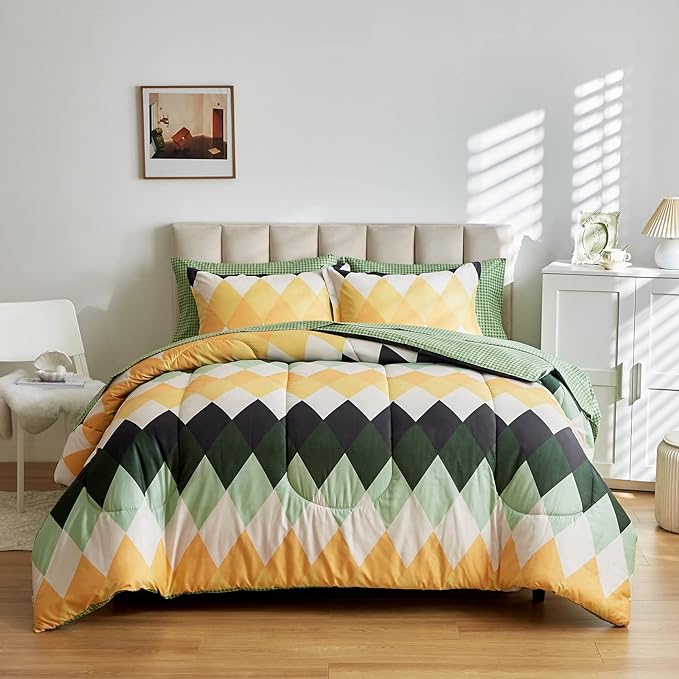
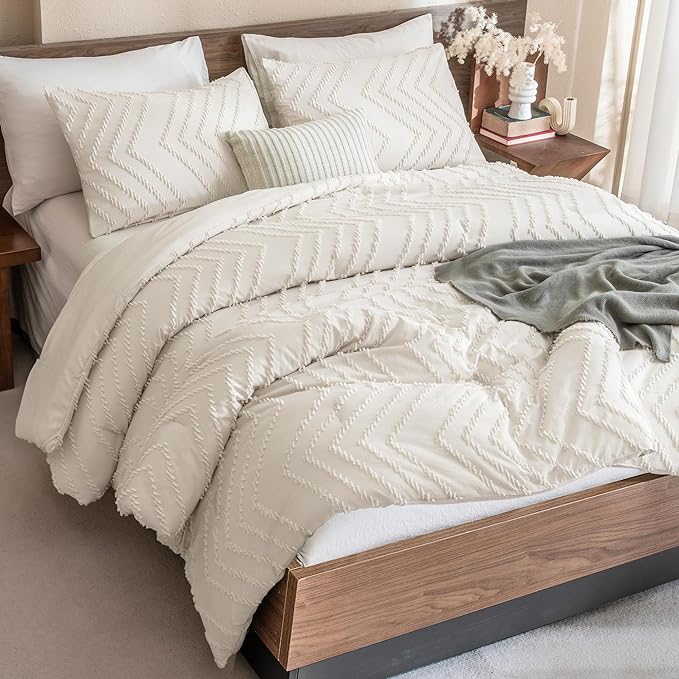
Your bed is the focal point of your bedroom, so why not give it a fresh look? Consider swapping out your bedspread for one in a different color or texture. A new spread can instantly transform the vibe of your room. Opt for a vibrant color to add a pop of excitement or choose a soft, textured fabric for a touch of luxury. You’ll be amazed at how this simple change can make your bed feel brand new.

Let the Light In

Don’t underestimate the power of natural light in creating a bright and airy space. Open up those windows and let the sunshine in. If you currently have heavy blackout drapes, consider switching to sheer curtains or lighter-colored window treatments. These will allow more light to filter through and create a more cheerful and inviting atmosphere in your bedroom.

Add Some Flair with Pillows and Blankets

When it comes to pillows and blankets, more is more! You can never have enough options for layering and styling your bed. Experiment with different colors, patterns, and textures to create a cozy and inviting look. Mix and match pillows of different sizes and shapes, and don’t forget to add a few throw blankets for extra warmth and style. These small additions can make a big impact on the overall aesthetic of your bedroom.

Bring in New Decor

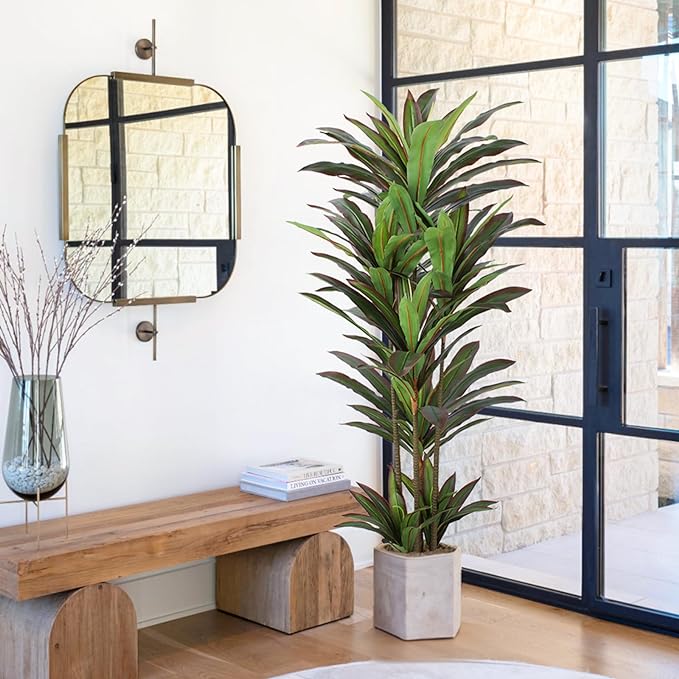
To truly refresh your bedroom, consider adding some new decor pieces. This could be anything from vases and books to wall art or even a new plant. These little touches can add personality and style to your space. Choose items that reflect your taste and make you feel happy and inspired. Whether it’s a unique piece of artwork or a trendy plant, these additions will breathe new life into your bedroom.

Switch Up Your Flooring

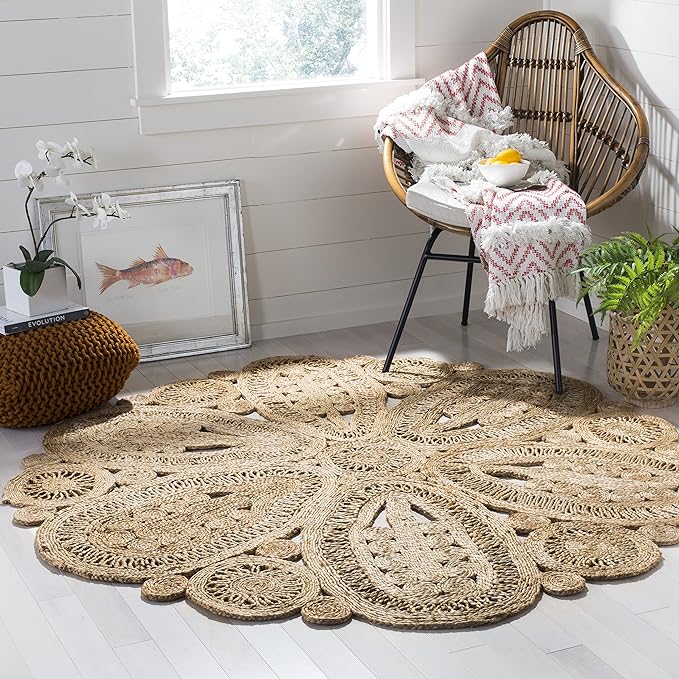
If you have wood or tiled floors in your bedroom, consider switching out that heavy wool rug for a jute or woven rug. These natural fiber rugs add warmth and texture to your space, making it feel cozy and inviting. Plus, they are perfect for creating a bohemian or coastal vibe in your bedroom. With a new rug underfoot, you’ll feel like you’re stepping into a whole new room.

Refreshing your bedroom doesn’t have to be a daunting task. By making these simple changes, you can transform your space into a cozy and inviting sanctuary. So go ahead, give your bedroom the refresh it deserves!